Overview
In H2 2026, we introduced a new job card for incoming bookings to increase acceptance rates.
Manual Accept encouraged cherry-picking, weakening marketplace fulfilment and leaving Auto-Accept drivers with less desirable jobs.
Introducing Default Accept to gradually replacing Manual Accept, with fare visibility, differentiated Turbo value, and more explicit decline policy.
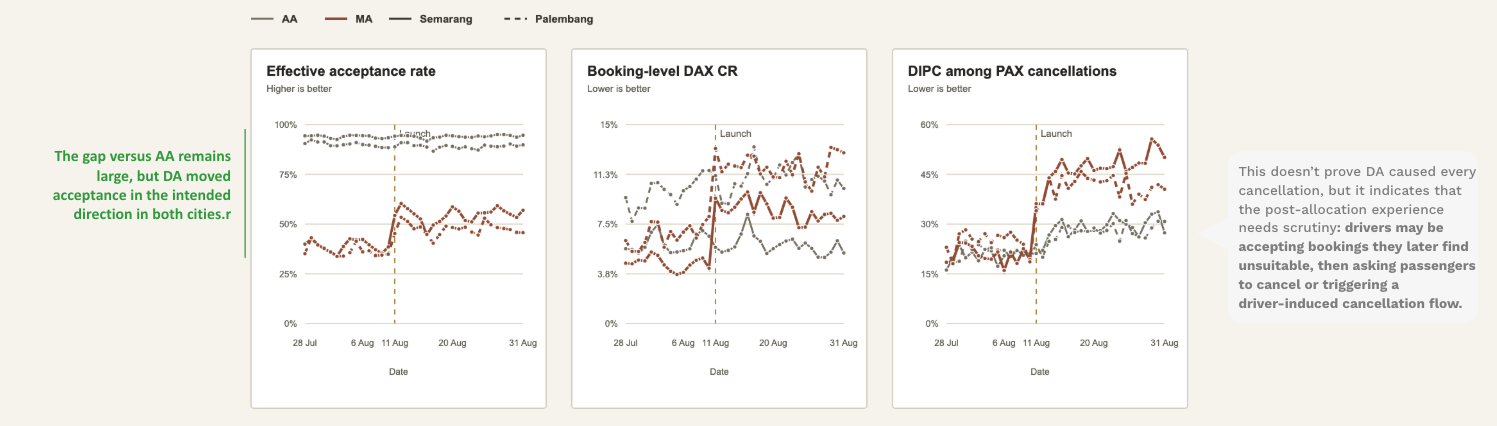
EAR rose by 8.20pp in Semarang and 3.43pp in Palembang. Fulfilment declined by 0.38–1.55pp; timeout-accepted jobs were cancelled 2–3× as often as explicitly accepted jobs.
Lead designer, researcher
Why shifting to Default Accept?
01 Background
Currently, drivers could choose between Auto-Accept (AA) and Manual Accept (MA, which auto-rejects).
Drivers using Turbo with New Auto-Accept were more productive, with higher trips per online hour (TPOH).
In H1 2026, Turbo users accounted for 57% of online hours and 67% of rides.
At the same time, cherry-picking harmed the marketplace: drivers using Manual Accept selectively accepted the most profitable jobs, creating a cascading effect.
02 Experiment results
Before we purposed this initiative, we ran experiments in the Philippines, Malaysia, and Singapore. Evidence across these markets supported replacing Manual Accept (auto-reject) with Default Accept (DA). Enforcing Auto-Accept improved business metrics, while re-allowing Manual Accept had a negative impact.
 Enforced Auto-Accept as the single acceptance mode for Manila driversRides increased by 5.4%, fulfilment improved, and time to pickup decreased by about 24%.
 Re-allowed Manual Accept in Klang Valley after enforcing Auto-AcceptFulfilment fell by 1pp, and pickup distance increased by 13%.
 Re-allowed Manual Accept after enforcing Auto-AcceptEAR fell by 15pp among active PHV drivers.
Goal
Create a Default Accept experience that improves marketplace behaviour, keeps Turbo desirable, and reduces Manual Accept-led cherry-picking.
Concept
01 Design principles
Drivers need enough information and control to make safe, informed decisions, especially while driving. However, Manual Accept makes it easier to cherry-pick jobs, which harms fulfilment and marketplace health. The challenge was to introduce automatic acceptance without making drivers feel that control had been removed unfairly.
- Clearly alert drivers that a job will auto-accept when the timer expires.
- Clarify what “Continue,” “Skip,” reject, cancel, and ignore actions mean.
- Position Turbo as the preferred driving mode.
- Reduce timeout-based acceptance and the risk of cancellations with a clear alert.
02 Modularization for Job Card
We had multiple job-card variants. To reduce drivers’ cognitive load and simplify the underlying architecture, we standardised the job card as a modular block with configurable elements. Default Accept follows the latest Auto-Accept pattern.
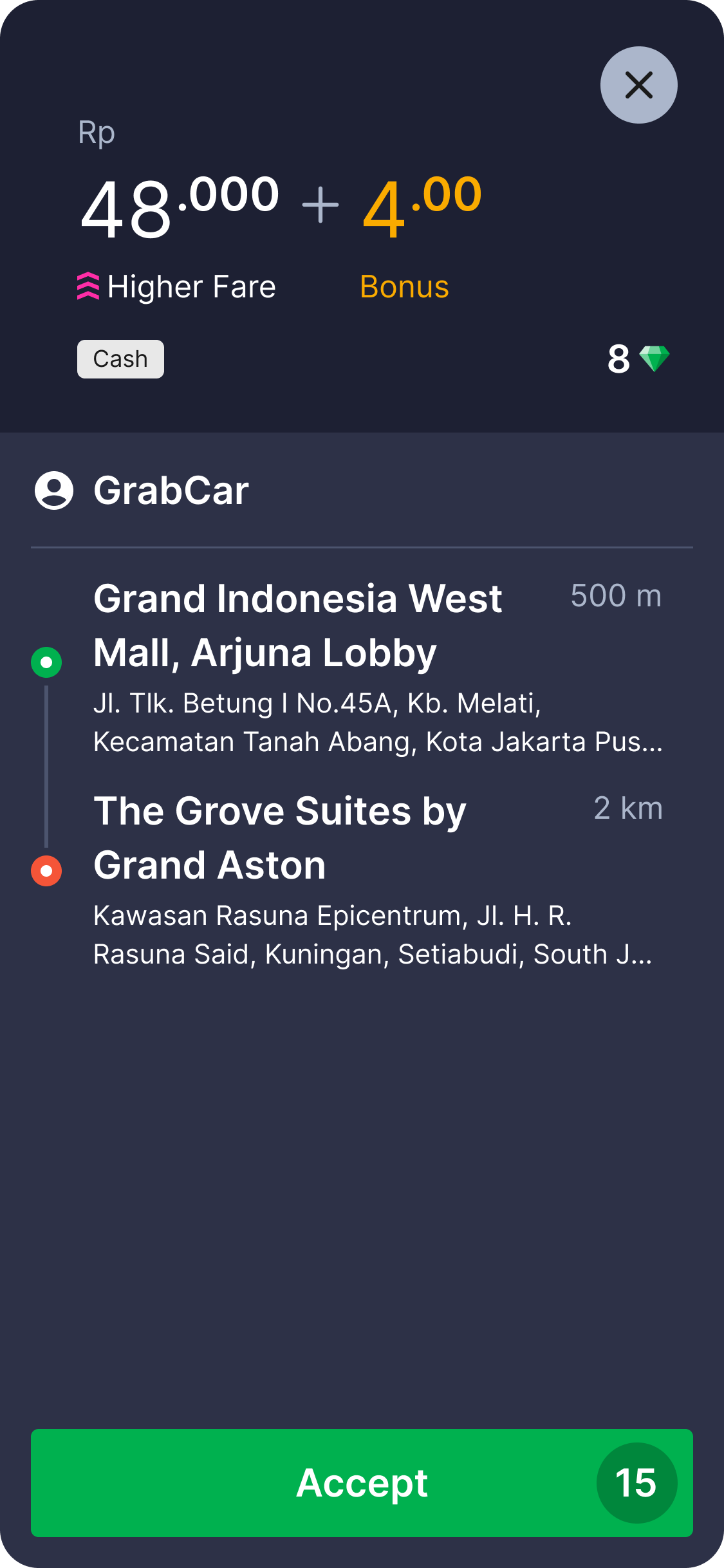 MANUAL | 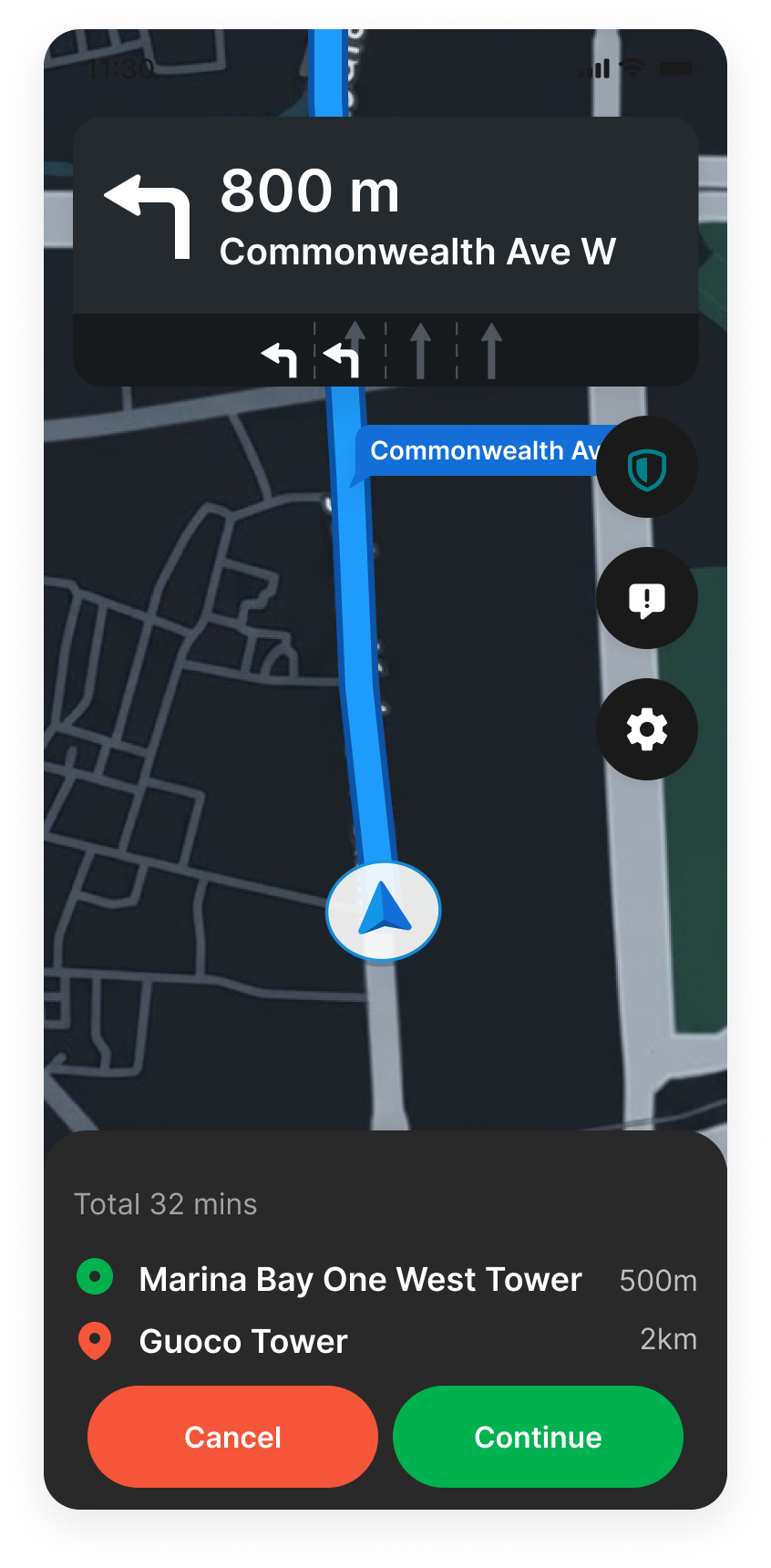 AUTO-ACCEPT | 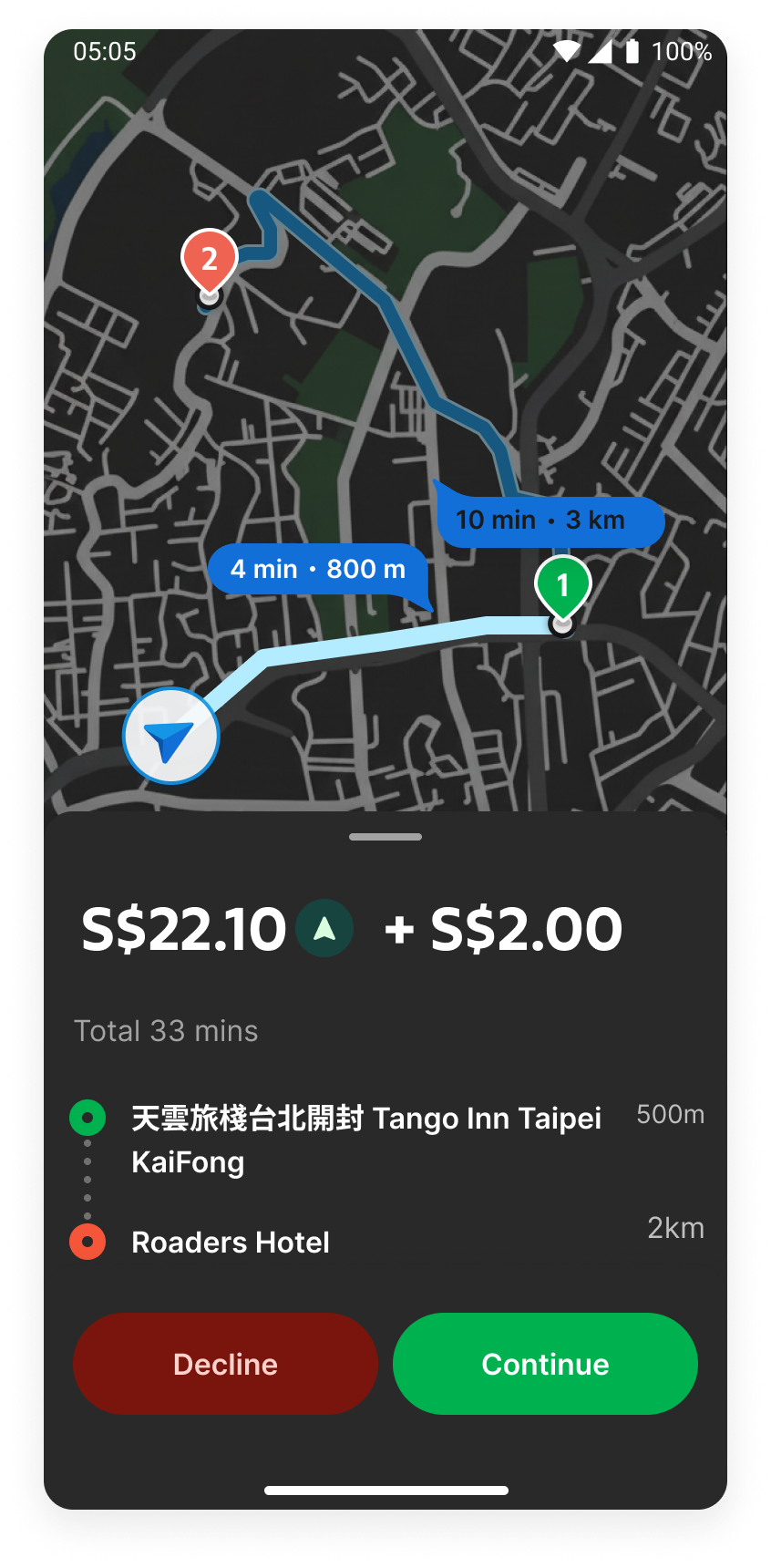 DEFAULT-ACCEPT | |
|---|---|---|---|
| Expandability | Expanded | Compact | Hybrid |
| Ignore effect | Auto-reject | Auto-accept | Auto-accept |
| Reject effect | Penalty applied | Free cancel | Penalty applied |
Research
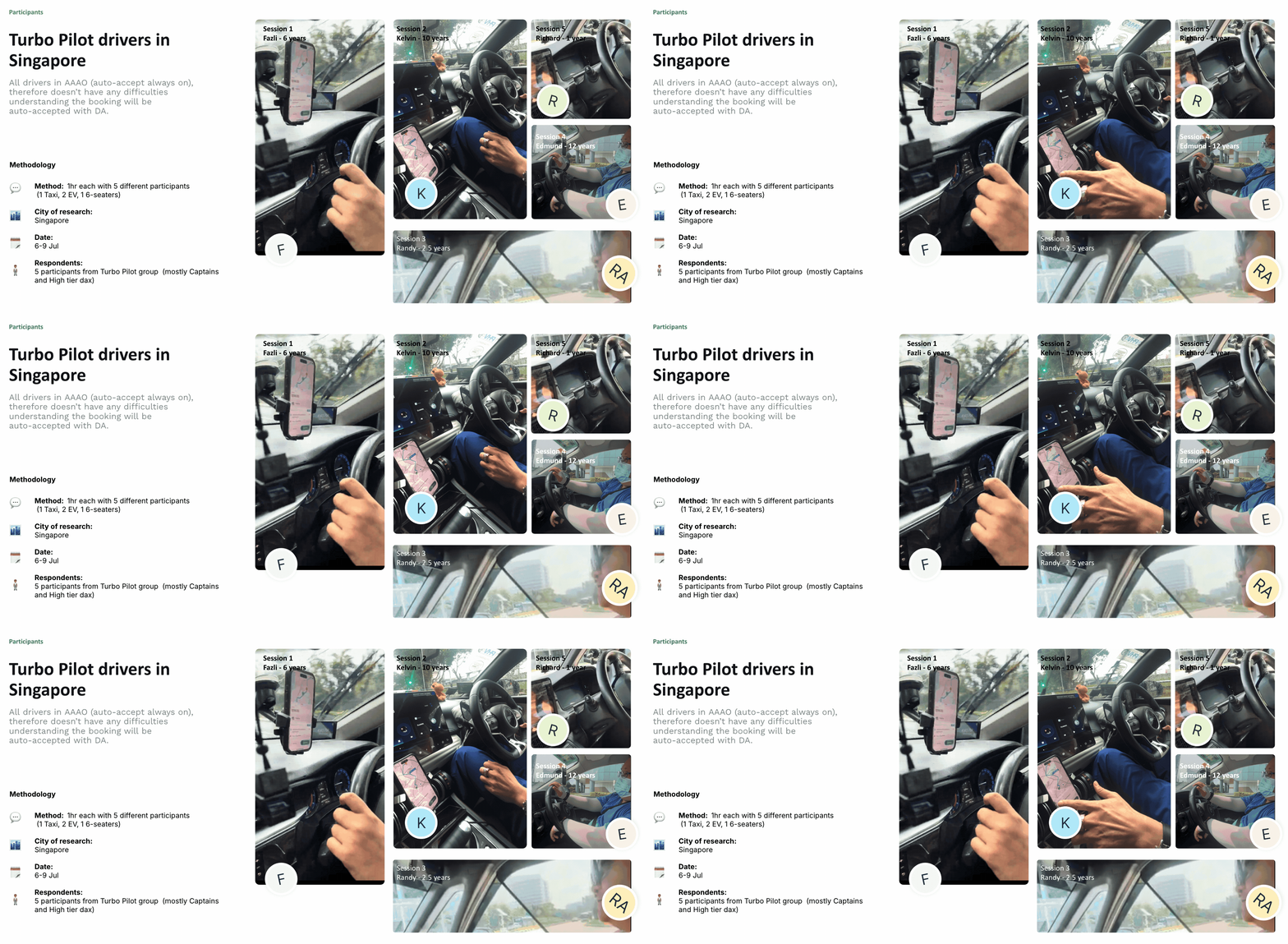
- Evaluated how drivers interpreted and responded to Default Accept, and how it affected their view of Turbo as the preferred driving mode.
- Before rollout, we need to learn whether drivers saw Turbo as clearly more valuable than Default Accept, understood which actions triggered penalties, and considered the downgrade experience fair and meaningful.
- Drivers understand that a job auto-accepts after timeout and can quickly scan the trip information.
- They understand the consequences of declining, ignoring, or cancelling, and consider the downgrade and recovery path fair.
Drivers can explain auto-accept behaviour without help, distinguish Turbo benefits from Default Accept limitations, identify policy consequences and recovery states, and see tangible earnings or operational benefits in keeping Turbo.
Key findings

Turbo remains the preferred experience
“Greater earnings” and “Flexibility” are the main pulls of Turbo.

Auto-accept behavior is familiar in SG, so Default Accept comprehension looks strong
Drivers understand do nothing until timer ends means job proceeds.

Drivers relied heavily on muscle memories, they didn’t initially notice the change in button
However, once they noticed, they agreed the proposed design clearer in communicating free-cancel.
They generally preferred a screen takeover over push notification
Because it allow them to make an intentional choice before the job auto-accepts.
Design
01 Alert concept
02 Design changes for Turbo
Impact
Default Accept replaced Manual Accept in Palembang, Semarang, and Mataram, Indonesia, on 11 August 2026.
Evaluative research
01 Objective
After Default Accept launched in Palembang, Semarang, and Mataram on 11 August 2026, EAR improved but driver post-acceptance cancellation rates increased by 2–5pp. DIPC also doubled as a share of passenger post-allocation cancellations. This research explored driver sentiment and the factors behind the increase in cancellations.
02 Participants



03 Methods
 Rebot (AI-Robo-Call)
Provided an early signal of driver awareness of Default Accept, reported accidental acceptance, alert and timer experience, and behavioural adaptation.
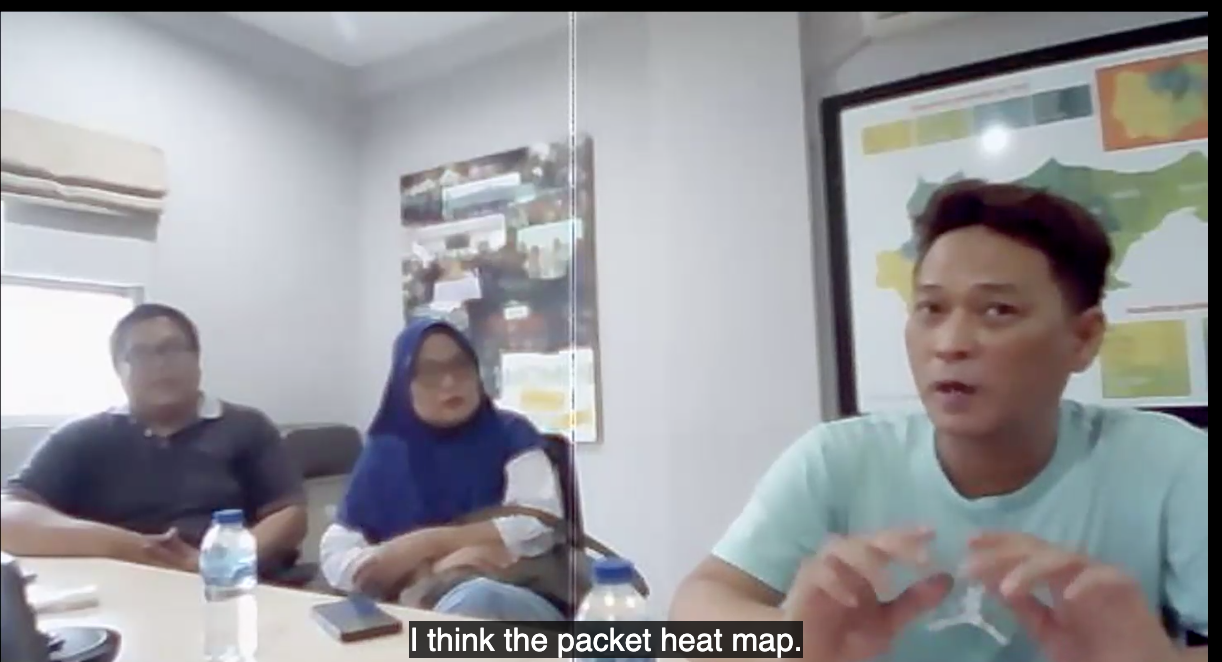
Palembang: 178 · Semarang: 56 Focus group discussions (FGD)
Explained the behaviours behind the Rebot patterns and the increase in post-allocation cancellation rates. Drivers were grouped by their use of Turbo or Manual Accept.
Palembang: 6 · Semarang: 6Key insights
01 Overall sentiment
In Semarang, drivers responded positively because Default Accept prevented account timeouts caused by missed bookings.
In Palembang, sentiment was more neutral: drivers felt they had to stay alert to decline a booking.
02 What contributed to post-acceptance cancellations and DIPC?
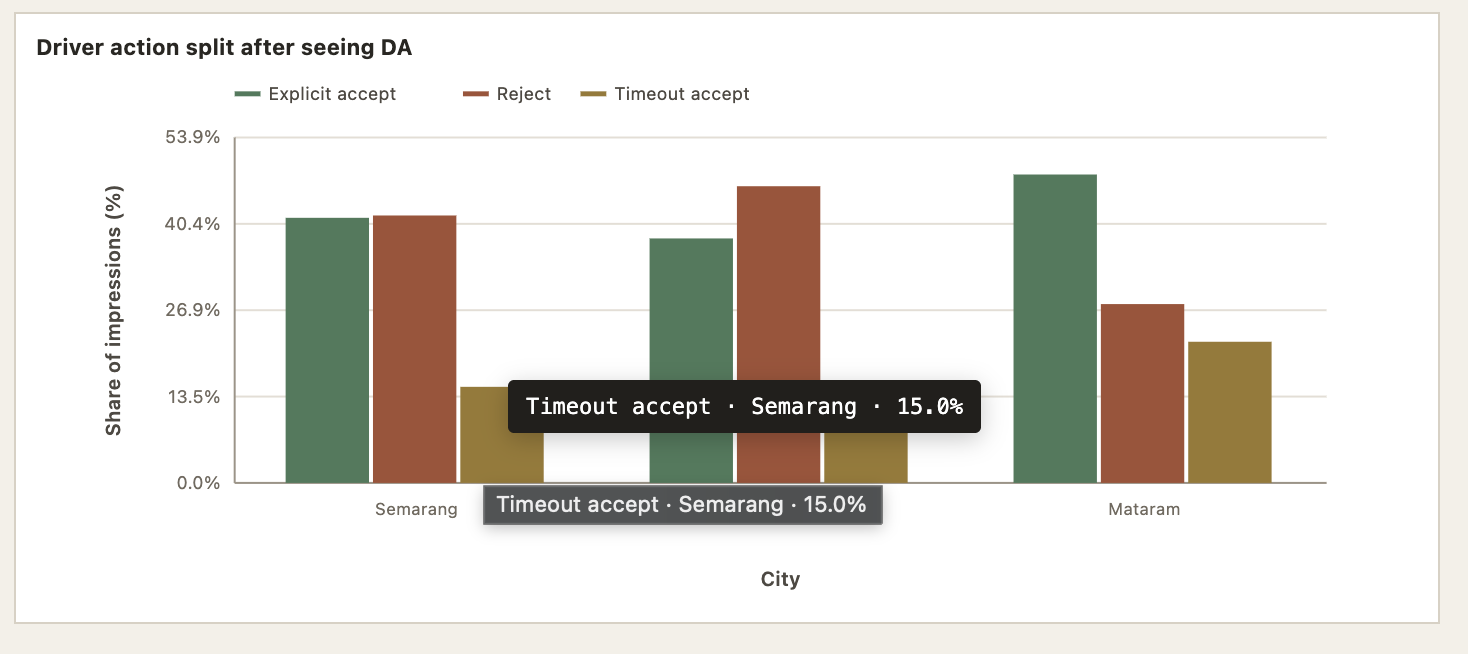
Main reasons for timeout acceptance mostly something out of our control:
- Driving in traffic or rain;
- Taking a break, praying, refuelling, or using the restroom;
- Finishing another trip or receiving a stacked booking;
- Low booking volume, a missed ringtone, weak signal, or a slow device.
03 Drivers who felt negatively about Default Accept mainly described missing bookings because they were not alerted in time.
Drivers were accustomed to their own alert tones.
Some perceived the tone as too soft, inaudible, or absent. A production bug also prevented drivers from setting a custom ringtone.
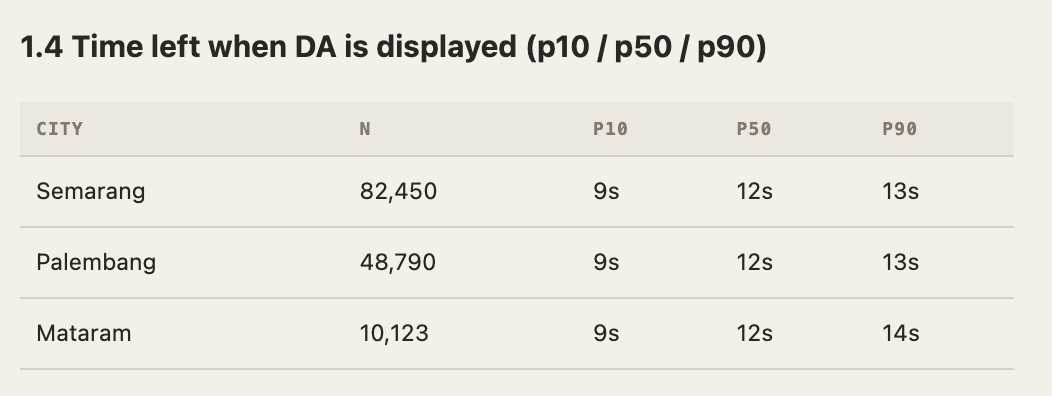
Drivers perceived the timer as 10 seconds, although it lasted 15 seconds.
Across Semarang and Palembang, the middle 80% of drivers had only 9–13 seconds to notice, assess, and act. Mataram was similar at 9–14 seconds.
04 Usability
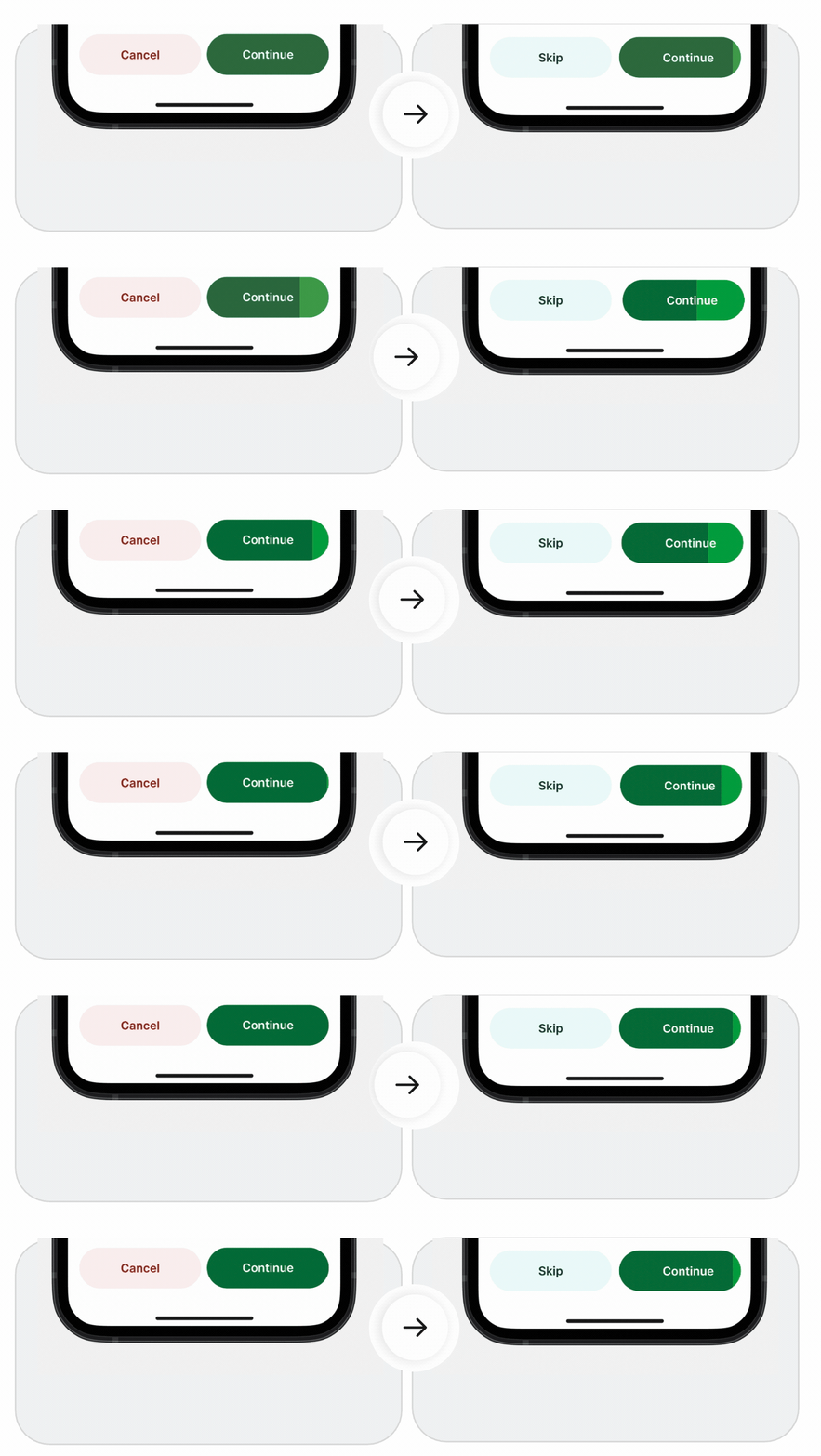
As in the Singapore research, they relied mainly on button position: left meant cancel or reject, and right meant accept.
Once noticed, the change did not feel significant; drivers were neutral about it. Their understanding largely came from prior education through Inbox or official communications.
What’s next
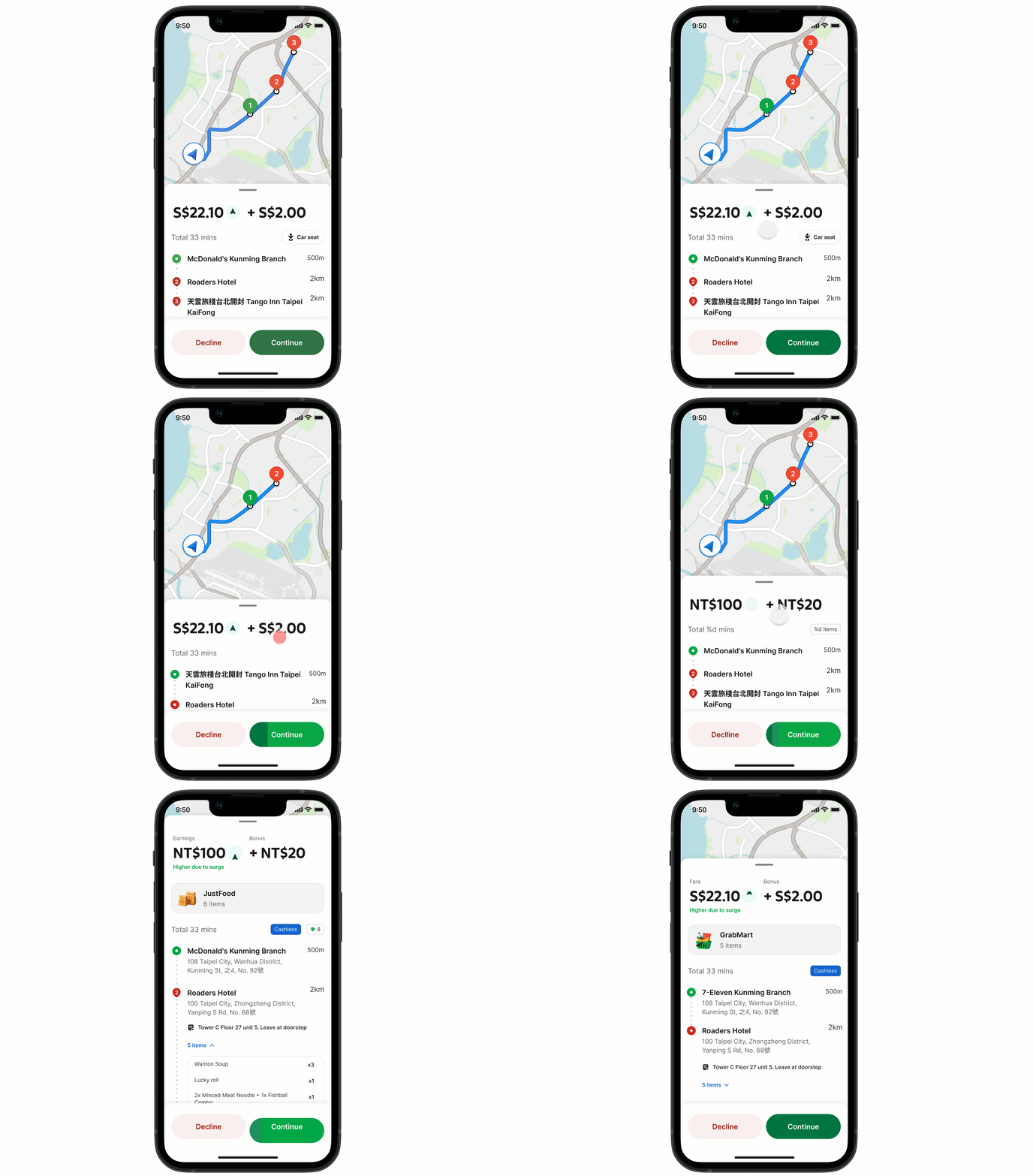
However, timeout-accepted jobs were more likely to result in cancellations or DIPC. The next phase focused on turning passive timeout acceptance into informed acceptance:
- Test an 18-second timer to improve the decision moment.
- Make alerts more noticeable and customisable.
- Expand to delivery bookings.